Devices
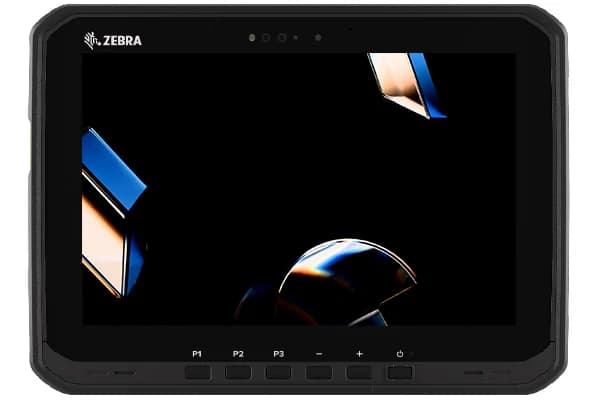
- Which vehicle terminals and handhelds connect, and which bands do they support?
- Is push-to-talk voice part of the scope?
Maritime and intermodal
Cover wide quays and changing container stacks for cranes, carriers, gates, and crews.
Terminals combine open quays with container stacks that grow and shrink by the hour. Cranes, straddle carriers, and tractors move constantly, and crews need voice and data wherever work happens, so coverage has to be planned for the full operating area and its changing obstructions.
Where devices actually operate—including changing obstructions—drives radio placement.
Devices move between radios, so routes and handoff points need planning.
Decide what happens when a link fails and how quickly service must return.
Answer these with your team first. They decide which equipment fits and what a vendor or integrator needs to quote accurately.
Products whose own documentation names this setting or use, or that the guide links for comparison. Listing is not a recommendation; check each record's sources and unknowns.
Linked records are examples to evaluate against your requirements, not recommendations.
Enter your device counts and per-device traffic. The brief separates arithmetic from engineering decisions and never estimates radio counts.
About this guide: Private5G.com editorial planning guidance, reviewed Sep 30, 2026. It makes no product, price, or performance claims; linked records carry their own sources.

Connect fixed and relocatable cameras beyond practical cable runs, and plan around sustained uplink video.

Keep yard trucks, tractors, and autonomous vehicles connected as they move across large outdoor sites.

Connect scanners, mobile robots, and vehicle terminals across tall racking, docks, and yards.

Connect machines, sensors, and mobile equipment on the plant floor, and decide how that traffic reaches control systems.