
Devices
- Which devices must work on day one, and are their SIMs provisioned in advance?
- Which devices are rented or borrowed, and how are SIMs recovered afterward?
Events, construction, and emergency response
Stand up a network quickly for events, construction phases, or incident response—then take it down again.
Some networks only need to exist for days or months: a festival, a construction phase, an incident response. Speed of setup, portable power, and backhaul matter more than long-term optimization, and the network has to be ready before people arrive.
Setup time, portability, and pre-provisioning matter more than long-term tuning.
Every radio needs power and a path back to the core at its location.
Bands, SIM or eSIM support, and certifications decide which devices can join.
Answer these with your team first. They decide which equipment fits and what a vendor or integrator needs to quote accurately.
Products whose own documentation names this setting or use, or that the guide links for comparison. Listing is not a recommendation; check each record's sources and unknowns.
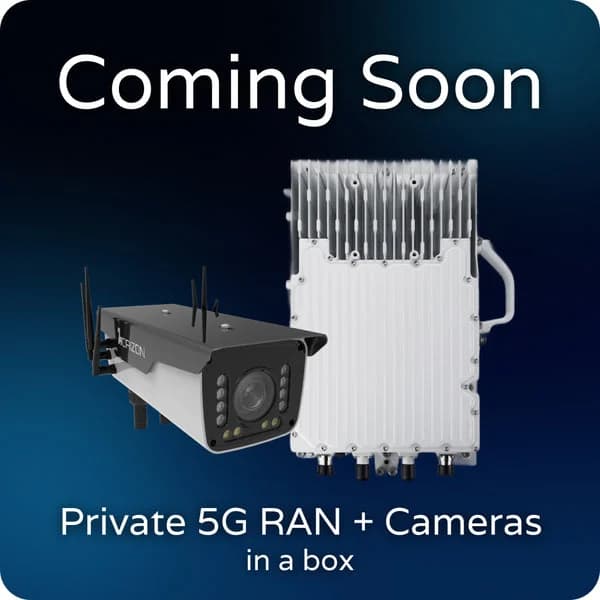 Complete network · 5GWaveformPrivate 5G + Camera Network-in-a-BoxWaveform product
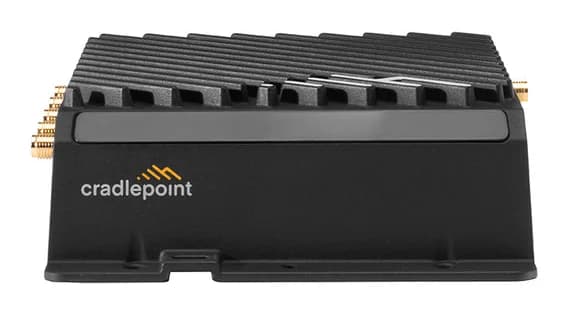 Router · LTEEricsson Enterprise Wireless Solutions (Cradlepoint)Ericsson Cradlepoint R920Sold by Waveform
 Complete network · LTE + 5GWaveformPrivate 5G + Push-to-Talk Network-in-a-BoxWaveform product
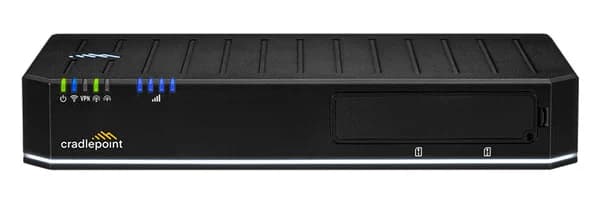 Router · LTE + 5GEricsson Enterprise Wireless Solutions (Cradlepoint)Cradlepoint E300Sold by Waveform
 Device · 5GZebra TechnologiesZebra TC27Sold by Waveform
Waveform, which sells some of these products, is operated by the team behind Private5G.com.
Linked records are examples to evaluate against your requirements, not recommendations.
Enter your device counts and per-device traffic. The brief separates arithmetic from engineering decisions and never estimates radio counts.
About this guide: Private5G.com editorial planning guidance, reviewed Sep 30, 2026. It makes no product, price, or performance claims; linked records carry their own sources.

Connect fixed and relocatable cameras beyond practical cable runs, and plan around sustained uplink video.

Keep yard trucks, tractors, and autonomous vehicles connected as they move across large outdoor sites.

Connect scanners, mobile robots, and vehicle terminals across tall racking, docks, and yards.

Connect machines, sensors, and mobile equipment on the plant floor, and decide how that traffic reaches control systems.