
Devices
- Which machines connect directly, and which need an industrial gateway?
- What environmental ratings or certifications do devices need on the plant floor?
Manufacturing
Connect machines, sensors, and mobile equipment on the plant floor, and decide how that traffic reaches control systems.
Plants add connectivity to machines, sensors, quality cameras, and mobile equipment that were never cabled. Metal structures, moving equipment, and strict uptime expectations make the operating plan—what fails, who responds, and how traffic reaches control systems—as important as coverage.
Decide what happens when a link fails and how quickly service must return.
Time-sensitive functions need explicit delay and reliability requirements.
Plan how traffic reaches existing systems, identity, and security controls.
Answer these with your team first. They decide which equipment fits and what a vendor or integrator needs to quote accurately.
Products whose own documentation names this setting or use, or that the guide links for comparison. Listing is not a recommendation; check each record's sources and unknowns.
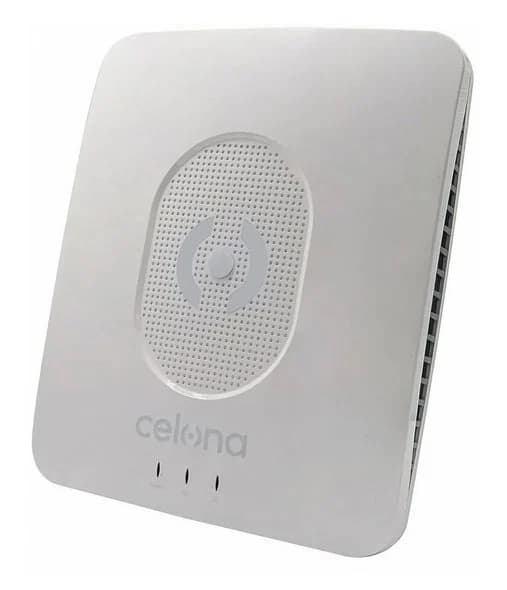 Radio · LTE + 5GCelonaCelona AP 20Sold by WaveformComplete network · LTE + 5GNokiaNokia Digital Automation Cloud Private Wireless with MX Industrial EdgeComplete network · LTE + 5GJMA WirelessJMA Private Wireless NetworkComplete network · LTE + 5GMavenirMavenir Private NetworksComplete network · 5GSamsung NetworksSamsung private network solutionSAS / serviceFederated WirelessFederated Wireless CBRS Spectrum ControllerSAS / service · 5GFederated WirelessFederated Wireless Private 5G with ATO
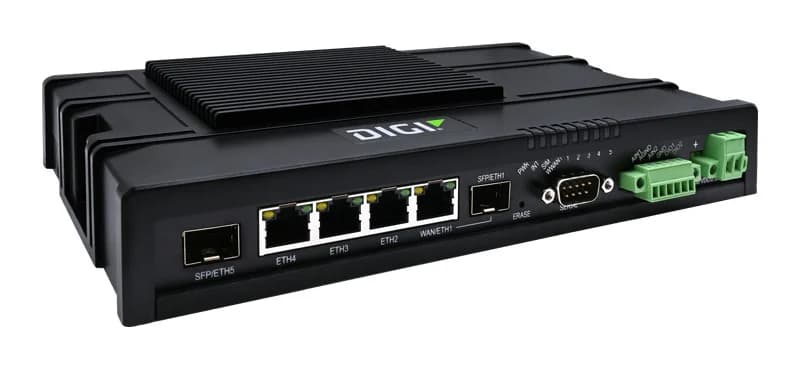 Router · LTE + 5GDigi InternationalDigi IX40 5G Edge Computing Industrial IoT Solution
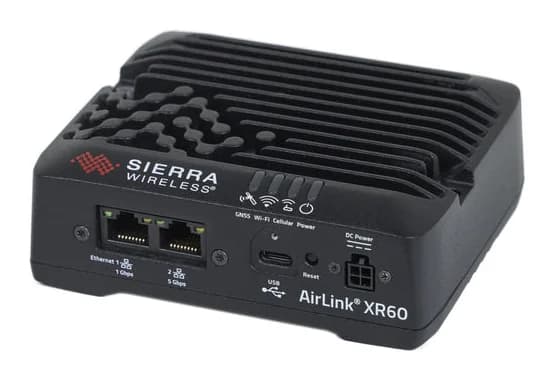 Router · LTE + 5GSemtech (formerly Sierra Wireless)AirLink® XR60Sold by Waveform
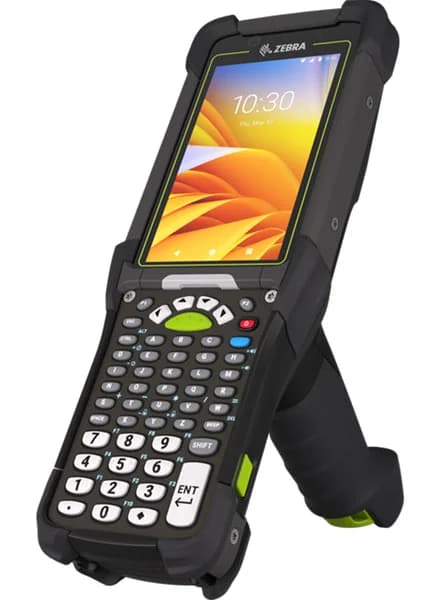 Device · LTE + 5GZebra TechnologiesZebra MC9450 Ultra-Rugged Mobile ComputerSold by Waveform
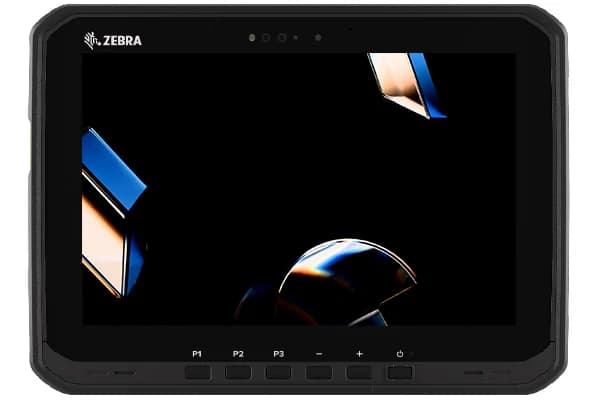 Device · LTE + 5GZebra TechnologiesZebra ET65 Enterprise TabletComplete network · 5GBetacomBetacom Perimeter Surveillance Solution
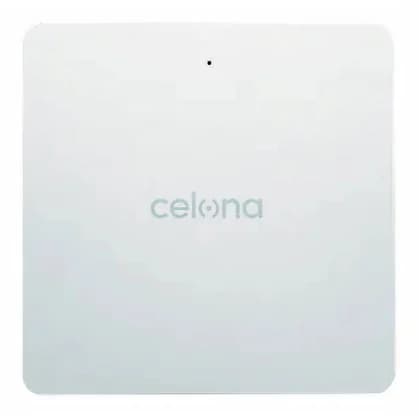 Radio · 5GCelonaCelona AP 24Sold by Waveform
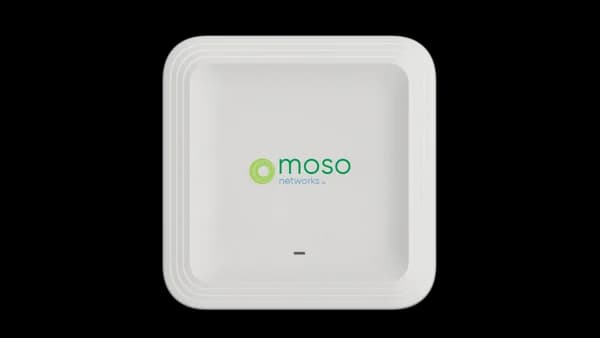 Radio · 5GMoso NetworksMoso Canopy 5GID2Sold by Waveform
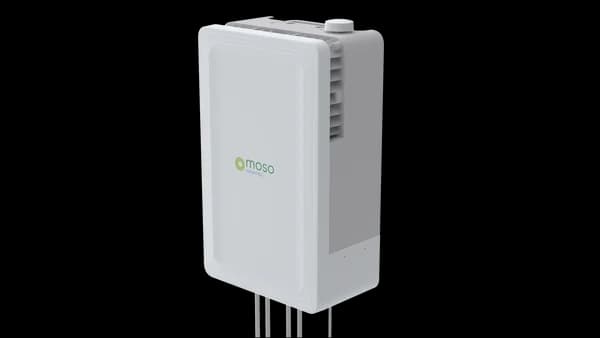 Radio · 5GMoso NetworksMoso Canopy 5GOD2Sold by Waveform
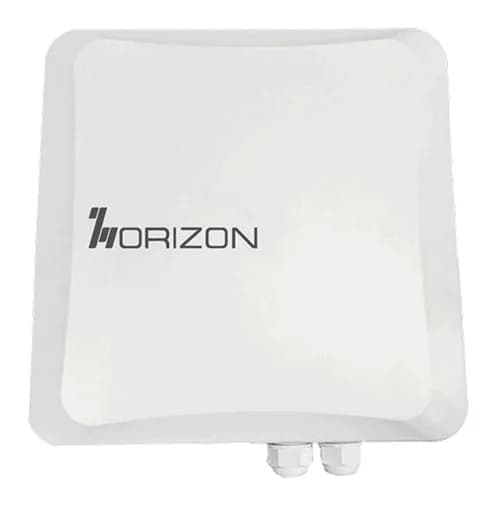 Router · LTE + 5GHorizonHorizon 25005GSold by Waveform
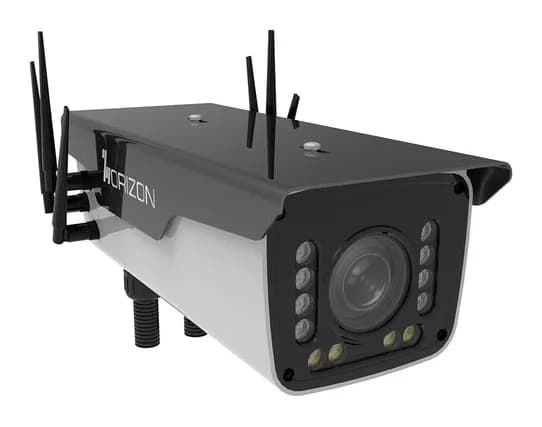 Device · LTE + 5GHorizonHorizon CC1005GSold by Waveform
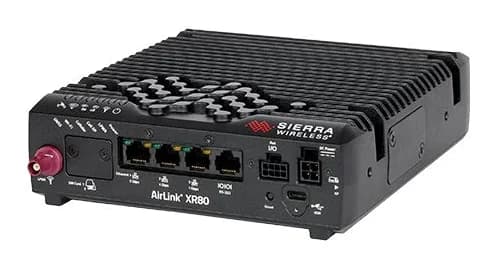 Router · LTE + 5GSemtech (formerly Sierra Wireless)Semtech XR80 Modular 5G RouterSold by Waveform
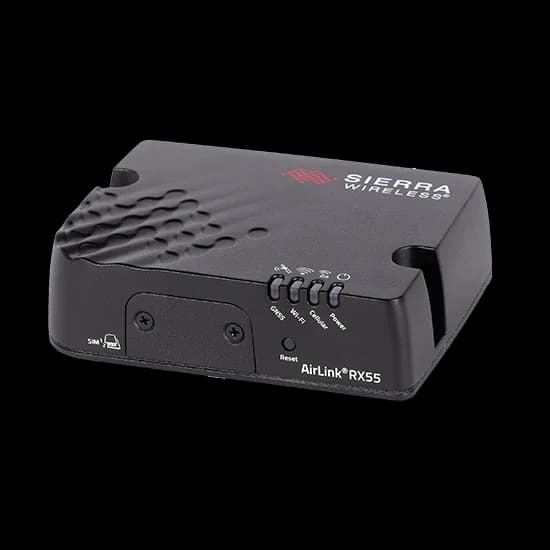 Router · LTESemtech (formerly Sierra Wireless)Semtech RX55 LTE-A RouterSold by Waveform
Waveform, which sells some of these products, is operated by the team behind Private5G.com.
Linked records are examples to evaluate against your requirements, not recommendations.
Enter your device counts and per-device traffic. The brief separates arithmetic from engineering decisions and never estimates radio counts.
About this guide: Private5G.com editorial planning guidance, reviewed Sep 30, 2026. It makes no product, price, or performance claims; linked records carry their own sources.

Connect fixed and relocatable cameras beyond practical cable runs, and plan around sustained uplink video.

Keep yard trucks, tractors, and autonomous vehicles connected as they move across large outdoor sites.

Connect scanners, mobile robots, and vehicle terminals across tall racking, docks, and yards.
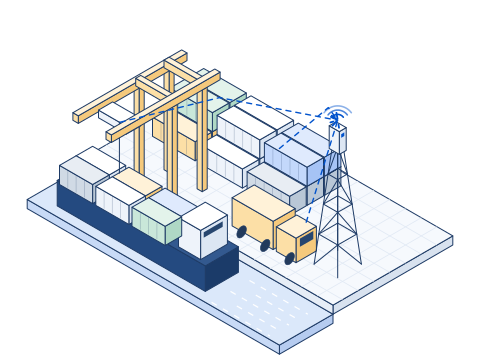
Cover wide quays and changing container stacks for cranes, carriers, gates, and crews.