
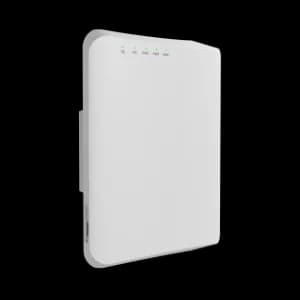
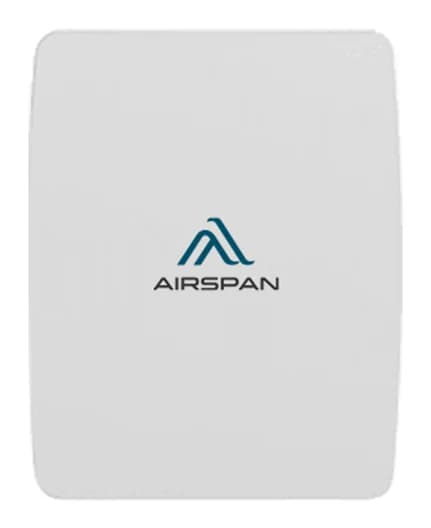
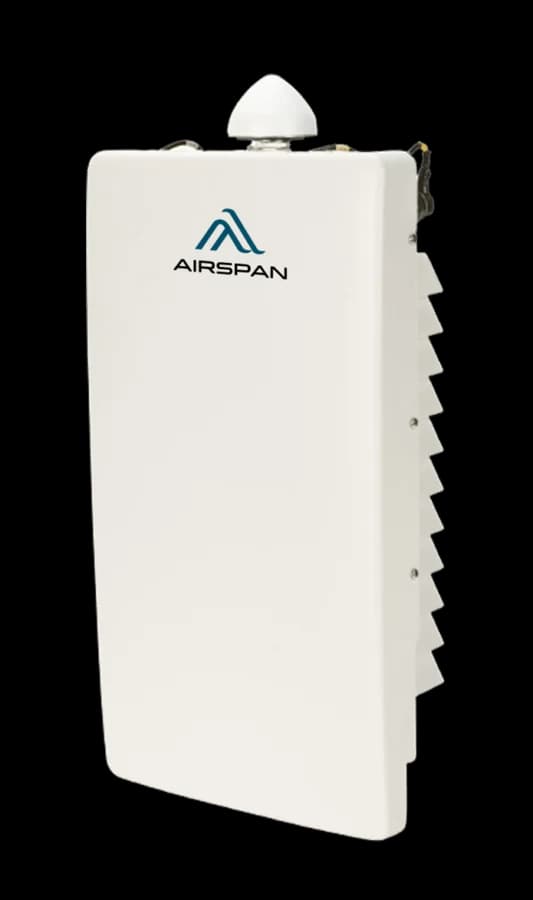
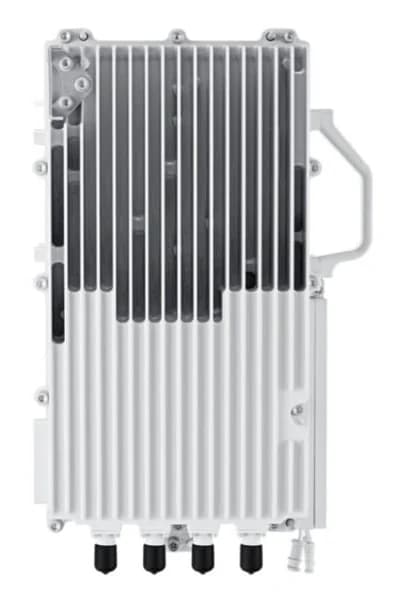
What is a CBRS small cell?
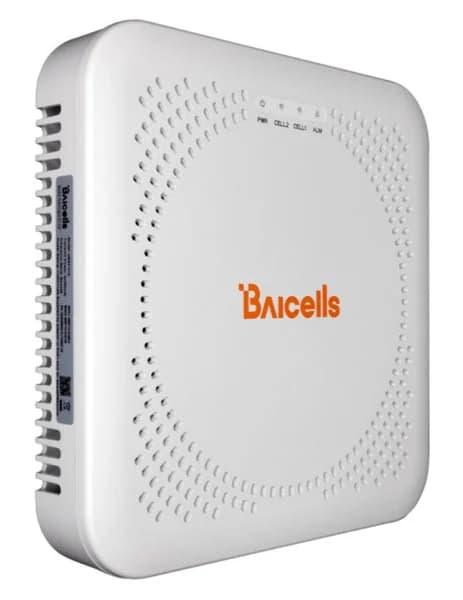
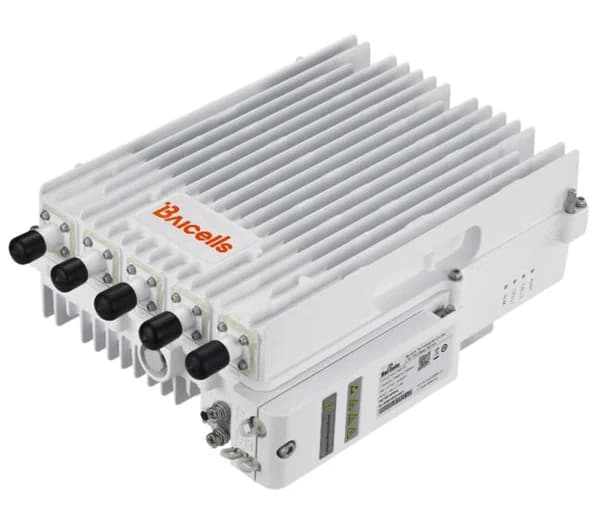
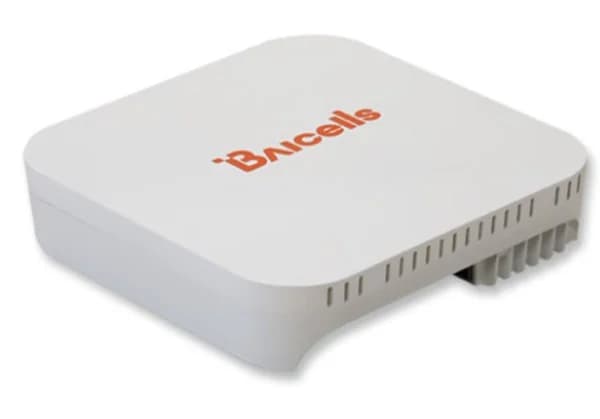
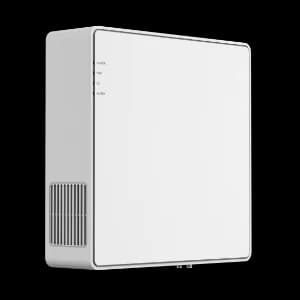
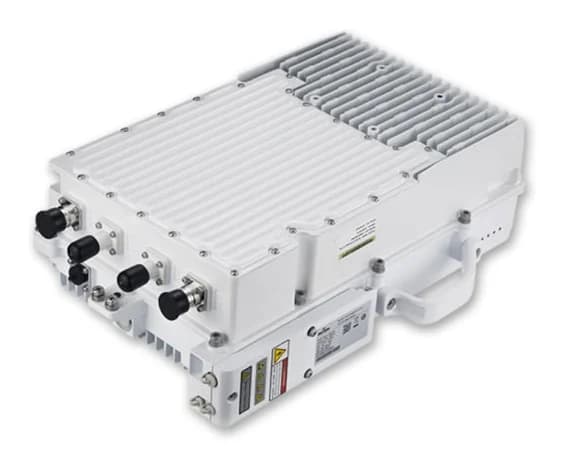
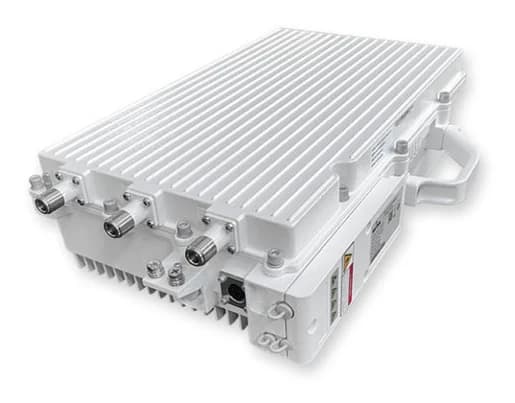
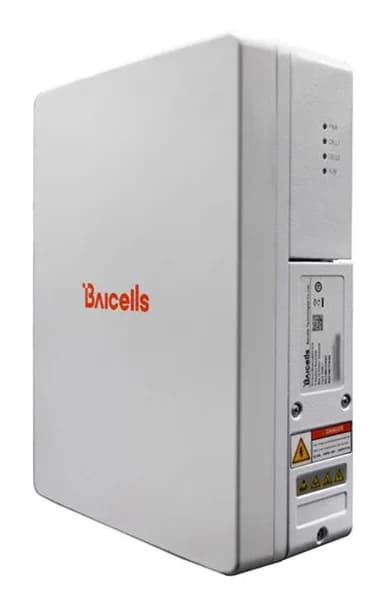
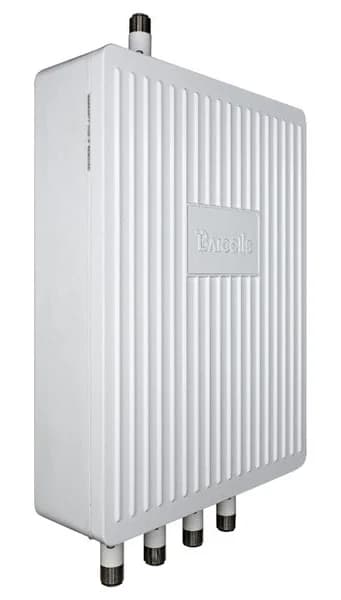
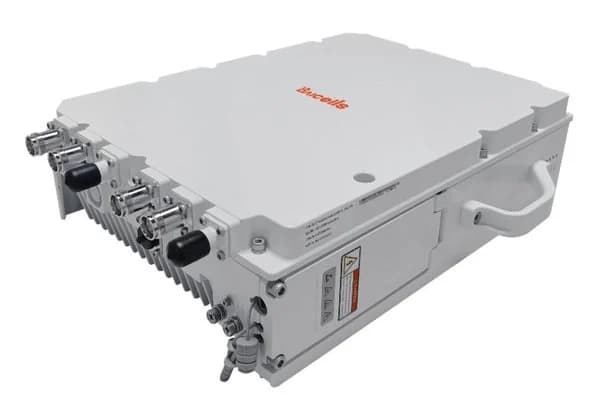
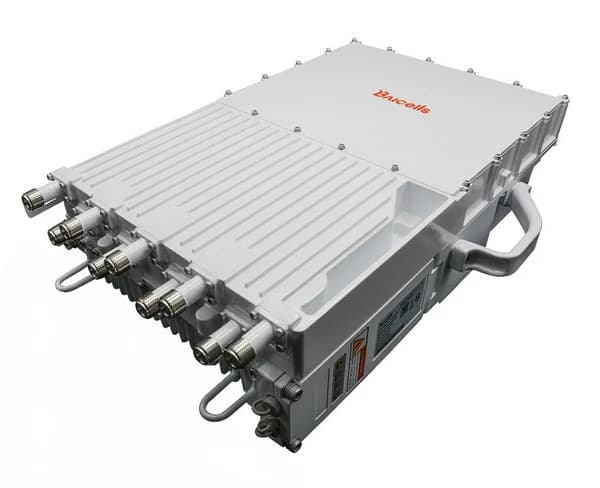
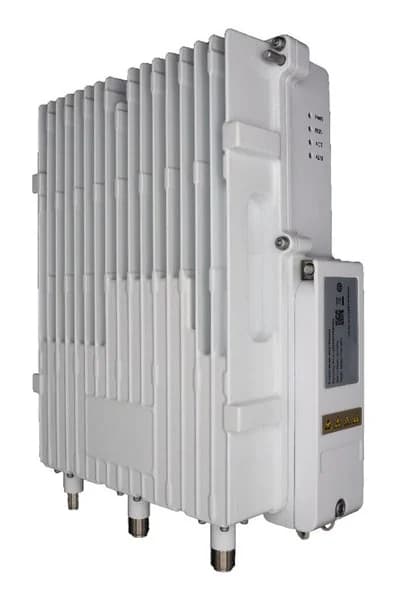
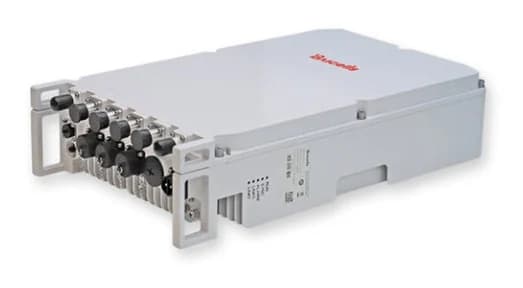
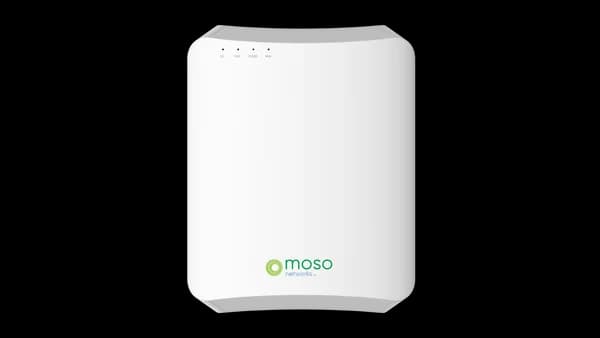
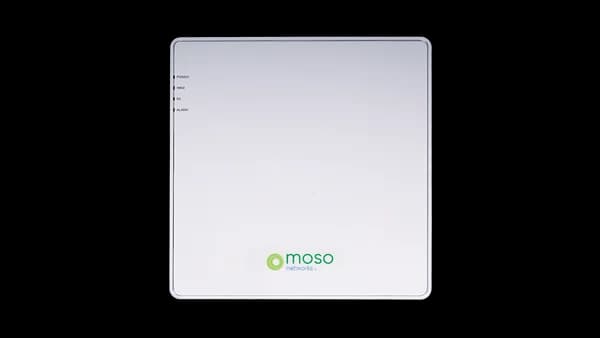
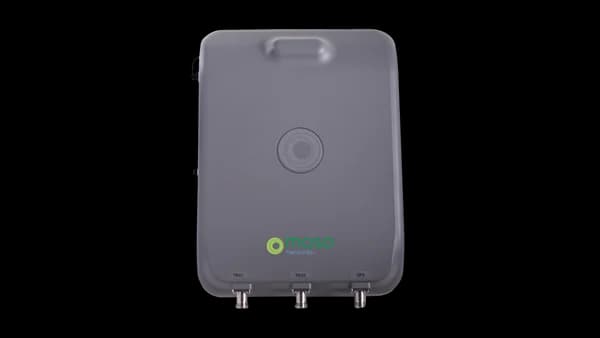
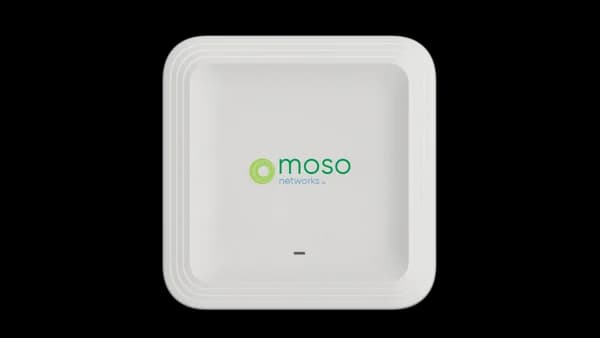
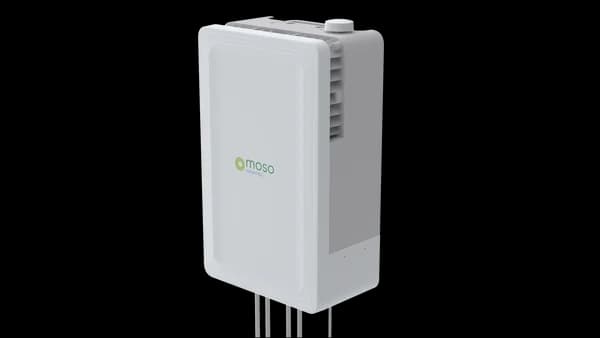
A small cell is a low-power cellular base station. In LTE the base station is called an eNodeB; Baicells, for example, describes its Neutrino430 as an LTE eNodeB[8]. In 5G it is a gNB, which 3GPP (the 3rd Generation Partnership Project) defines as the main element of a 5G radio access network (RAN)[10]. Marketing names vary, so the same class of product is sold as a CBRS access point, a 5G small cell, a private LTE base station or a radio unit.
FCC rules call any CBRS base station a CBSD, and for systems made of several nodes the requirements apply to each node, even when one interface handles communication with the SAS[11]. Every CBSD must be able to determine its location to within 50 meters horizontally and 3 meters in elevation, must register with a SAS before its first transmission, and must stop, change channel or cut power within 60 seconds when the SAS tells it to[1]. For professionally installed radios, the coordinates can instead be determined and reported as part of installation[1].
Category A vs Category B: power limits and the 6-meter rule
| Device class | Maximum EIRP (dBm per 10 MHz) | Maximum PSD (dBm per MHz) | Where it can operate | Installation and registration |
|---|---|---|---|---|
| End user device (phone, router, sensor) | 23[2] | Not specified[2] | Only under the control of an authorized CBSD[11] | Does not register with the SAS itself; its CBSD manages it[11] |
| Category A CBSD | 30[2] | 20[2] | Indoors, or outdoors with the antenna no more than 6 m height above average terrain (HAAT)[7] | Registers location, antenna height above ground, and whether it is indoors or outdoors[1][7] |
| Category B CBSD | 47[2] | 37[2] | Outdoors only[3] | Professional installation; also registers antenna gain, beamwidth, azimuth, downtilt and height[3] |
The 6-meter rule catches many first-time buyers. A Category A radio deployed outdoors with its antenna more than 6 meters above average terrain is classified as Category B, and so is any radio that transmits above the Category A limit[7]. The rule is written in height above average terrain, while SAS registration asks for antenna height above ground level, so ask your installer how both figures were worked out for your site[1][7].
Professional installation means a Certified Professional Installer (CPI) certifies the installation data reported to the SAS and is personally responsible for its accuracy; the CPI does not have to mount the radio. The Wireless Innovation Forum's CPI standard also notes that some Category A radios need professional installation, for example when the equipment cannot determine its own location[12].
Location matters most for outdoor and higher-power radios. Before you plan outdoor coverage, check the site on our CBRS map for nearby Dynamic Protection Areas and Priority Access License holders. The map is planning context only: the SAS decides which channels and how much power each radio actually gets[11].
LTE Band 48 or 5G band n48?
3GPP defines LTE Band 48 and NR band n48 identically: 3550–3700 MHz, using time-division duplex (TDD)[4][5]. The difference is the radio technology, not the spectrum. An LTE-only radio cannot serve a 5G-only device and a 5G-only radio cannot serve an LTE-only device, so choose radios after you know what your devices support.
Wider 5G bands overlap CBRS: NR band n77 covers 3300–4200 MHz and n78 covers 3300–3800 MHz[5]. Transmitting in CBRS still requires equipment certified under the FCC's Part 96 rules, and a SAS will not serve an uncertified device[11]. Check the FCC certification and the vendor's CBRS statement, not just the band list.
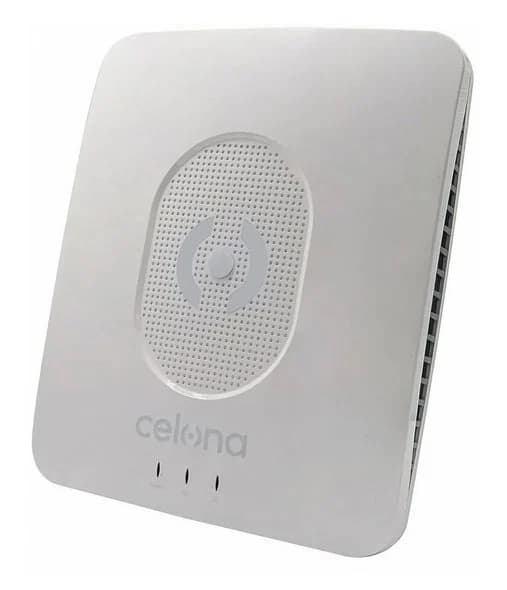
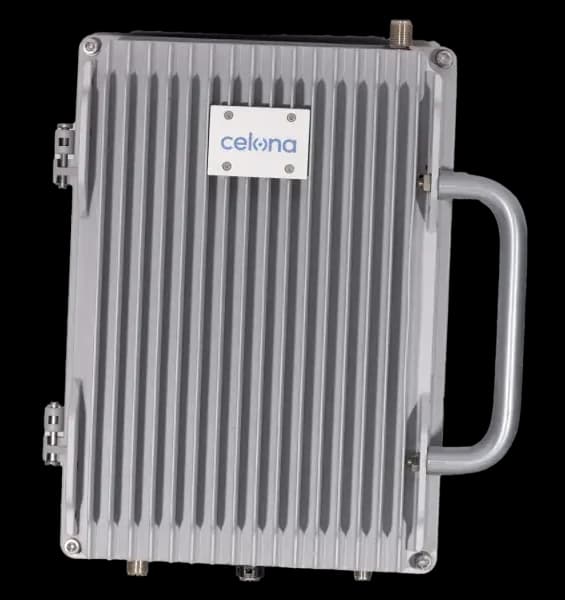
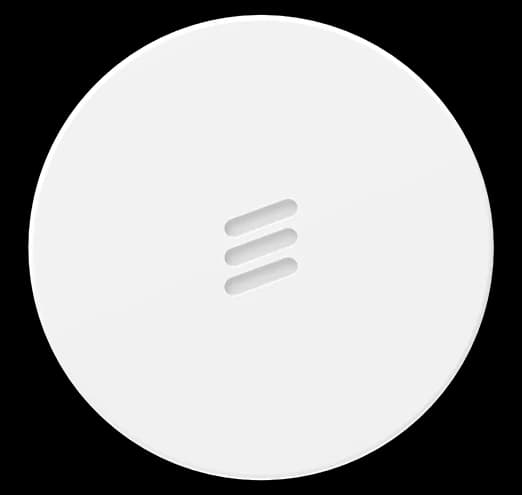
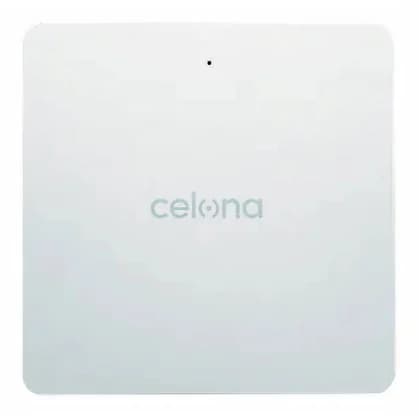
Multimode radios hedge the choice. Celona's AP 20 runs 4G on Band 48 and 5G on n48 simultaneously, and Ericsson lists both LTE and NR for its Radio Dot System[6][9]. For devices, see our guide to Band 48 and n48 devices; for the technology trade-offs, see private LTE vs private 5G.
Integrated small cells vs split radio and baseband
3GPP allows a 5G base station to be split into a central unit (gNB-CU) and one or more distributed units (gNB-DU)[10]. The O-RAN Alliance splits it further: a radio unit (O-RU) converts between baseband and radio signals, and a distributed unit (O-DU) does the baseband processing[13]. Private networks use three common designs.
| Design | What is in each box | Example |
|---|---|---|
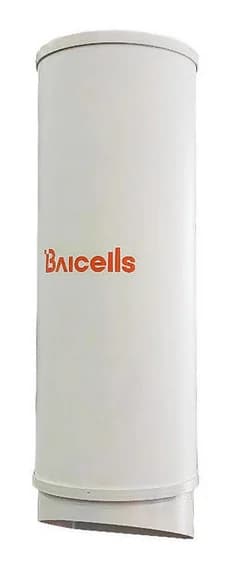
| All-in-one small cell | Radio, baseband and antenna in one enclosure; some also run core functions | Baicells' Nova430i (outdoor) and Neutrino430 (indoor) LTE radios have internal antennas and an optional embedded core called HaloB[14][8] |
| Radio heads on shared equipment | Small radio heads cabled to a shared radio unit and baseband | Ericsson connects up to eight Radio Dots to each Indoor Radio Unit and powers them over LAN cable[9] |
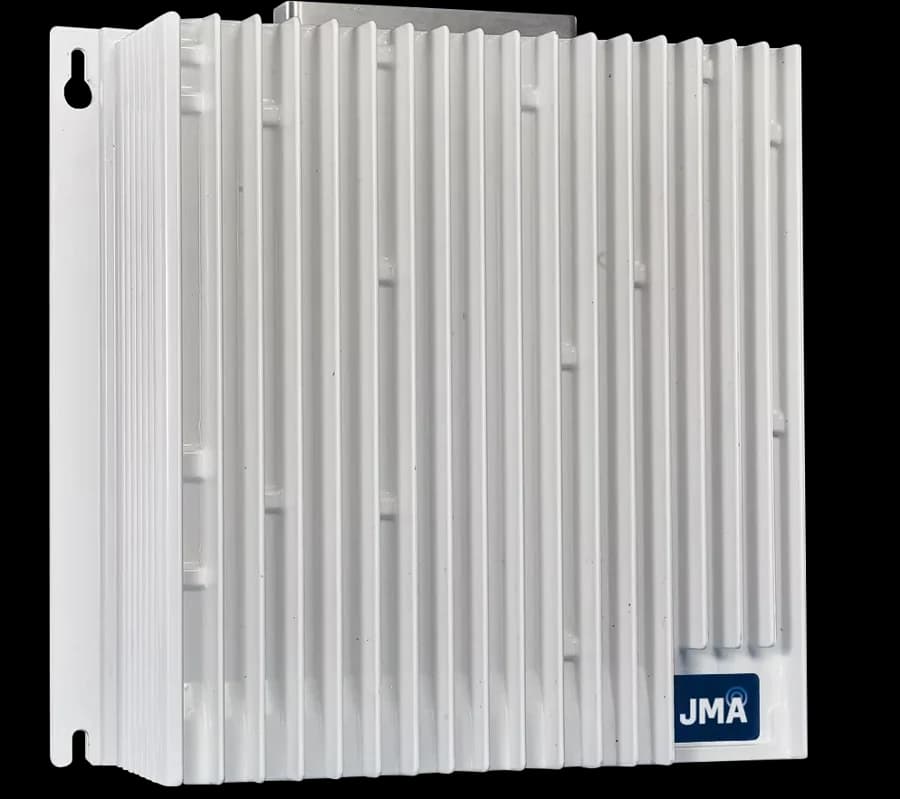
| Virtualized baseband | Baseband software on standard servers, with separate radio units | JMA describes XRAN as virtualized RAN software and says its platform runs on an enterprise's IT infrastructure[15] |
All-in-one units mean fewer boxes at small sites. Split designs add an equipment room and integration work in exchange for central control of many radio heads. Whatever the design, each transmitting node is treated as a CBSD under FCC rules[11].
Common questions
Do I need an FCC license to run a CBRS radio?
Not for General Authorized Access (GAA): the FCC licenses GAA use by rule and lets it operate across 3550–3700 MHz[16]. You still need FCC-certified equipment, and every radio must register with a SAS before it transmits[11][1]. GAA users must accept interference from incumbent users and Priority Access License holders[16].
What is a private 5G radio unit?
In O-RAN terms, a radio unit (O-RU) converts baseband signals to radio signals and back, while a distributed unit does the baseband processing[13]. Many enterprise small cells combine both in one enclosure, so a "radio unit" in a quote may mean either a standalone O-RU or a complete small cell. Ask the vendor what else you must buy for it to carry traffic.
Can one CBRS radio run 4G and 5G at the same time?
Some can. Celona says its AP 20 serves 4G and 5G devices simultaneously on Band 48 and n48, and Ericsson lists LTE and NR support for its Radio Dot System[6][9]. Others are single-technology; Baicells' Neutrino430, for example, is an LTE radio[8]. If a quote says "dual mode", ask whether both run at once.
Who can install a Category B radio?
Category B radios must be professionally installed[3]. In practice a Certified Professional Installer signs the installation data sent to the SAS and is responsible for it even if someone else mounts the hardware; under the Wireless Innovation Forum's standard a CPI certification lasts five years[12].
How many CBRS radios do I need?
It depends on walls, ceiling and mounting height, power class and how much capacity your devices need, so a site survey or RF design is the only reliable answer. The power gap between classes is large: Category B allows up to 47 dBm EIRP per 10 MHz against 30 dBm for Category A[2]. Our project brief builder records the traffic and scope facts a designer will ask for.
Sources
- 47 CFR 96.39: Citizens Broadband Radio Service Device (CBSD) general requirements — Electronic Code of Federal Regulations (eCFR), Sep 30, 2026. Accessed Oct 1, 2026.
- 47 CFR 96.41: General radio requirements — Electronic Code of Federal Regulations (eCFR), Sep 30, 2026. Accessed Oct 1, 2026.
- 47 CFR 96.45: Additional requirements for Category B CBSDs — Electronic Code of Federal Regulations (eCFR), Sep 30, 2026. Accessed Oct 1, 2026.
- 3GPP TS 36.101 version 19.6.0 (ETSI TS 136 101 V19.6.0, 2026-08): E-UTRA user equipment radio transmission and reception — ETSI / 3GPP. Accessed Oct 1, 2026.
- 3GPP TS 38.101-1 version 19.6.0 (ETSI TS 138 101-1 V19.6.0, 2026-08): NR user equipment radio transmission and reception, Part 1 — ETSI / 3GPP. Accessed Oct 1, 2026.
- Celona cellular access points (product portfolio and selection guide) — Celona. Accessed Oct 1, 2026.
- 47 CFR 96.43: Additional requirements for Category A CBSDs — Electronic Code of Federal Regulations (eCFR), Sep 30, 2026. Accessed Oct 1, 2026.
- Neutrino430 indoor base station — Baicells. Accessed Oct 1, 2026.
- Ericsson Radio Dot System — Ericsson. Accessed Oct 1, 2026.
- 5G System Overview — 3GPP, Jan 10, 2023. Accessed Oct 1, 2026.
- 47 CFR Part 96: Citizens Broadband Radio Service (definitions in §96.3, equipment authorization in §96.49, SAS functions in §§96.53 and 96.61) — Electronic Code of Federal Regulations (eCFR), Sep 30, 2026. Accessed Oct 1, 2026.
- CBRS Certified Professional Installer Accreditation Technical Specification (WINNF-TS-0247, V1.7.0) — Wireless Innovation Forum, Apr 19, 2024. Accessed Oct 1, 2026.
- O-RAN Use Cases and Deployment Scenarios: Towards Open and Smart RAN (white paper, February 2020) — O-RAN Alliance. Accessed Oct 1, 2026.
- Nova430i outdoor base station — Baicells. Accessed Oct 1, 2026.
- Private Wireless Solutions — JMA Wireless. Accessed Oct 1, 2026.
- 3.5 GHz Band Overview — Federal Communications Commission, Apr 3, 2023. Accessed Oct 1, 2026.
Product facts on this page come from each product’s record and its cited sources.