
What does a router or CPE do in a private network?
CPE sits between the cellular network and equipment that cannot join it directly: a PLC (programmable logic controller), a kiosk, a camera or a whole branch LAN. To the network it is one more device with a SIM. FCC rules define an end user device as one authorized and controlled by a CBSD (Citizens Broadband Radio Service Device, the rules' name for a CBRS base station) and bar it from acting as a relay to other devices or base stations on CBRS frequencies[1]. A CBRS router therefore serves its local equipment over Ethernet, Wi-Fi or serial links, not by retransmitting CBRS.
The rules also govern how CPE behaves on the air. An end user device may transmit only after it receives an authorization signal from a CBSD, and must stop, change frequency or change power within 10 seconds of that CBSD's instruction[12]. A device that transmits above the 23 dBm end-user limit is classified as a CBSD and takes on base-station obligations[12][2].
Each CPE also needs an identity your core recognizes. U.S. CBRS networks can draw subscriber identities (IMSIs, international mobile subscriber identities) from the shared network code 315-010, which is assigned in blocks of 100,000[13].
Form factors: from 5G USB modems to outdoor CPE
| Form factor | Typical use | Example |
|---|---|---|
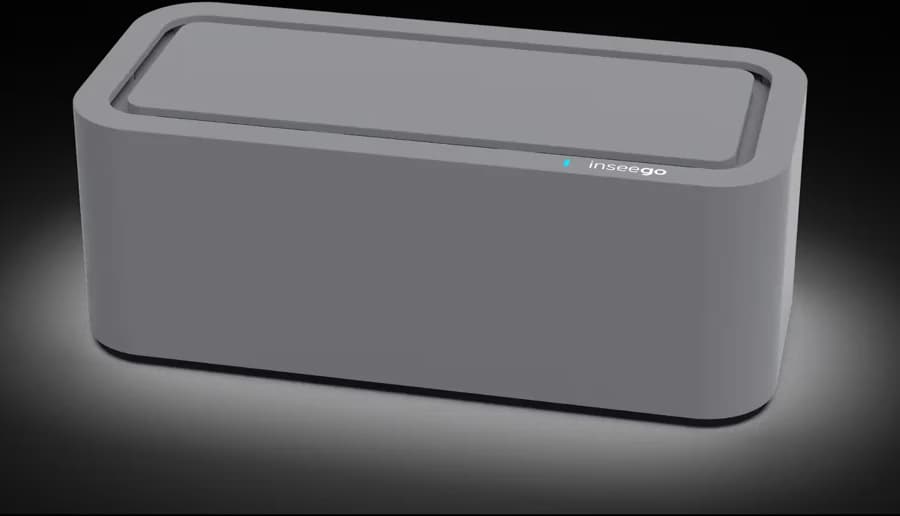
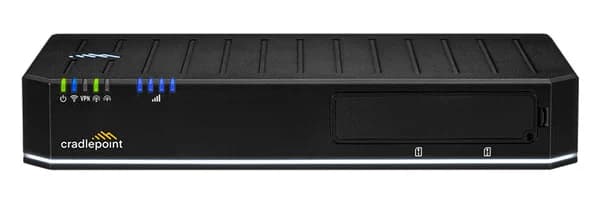
| Indoor 5G or LTE router | Branch office, retail or kiosk LAN; often adds Wi-Fi | Inseego says its Wavemaker FX3100 indoor 5G routers have dual SIM slots, Wi-Fi 6 and Ethernet[10] |
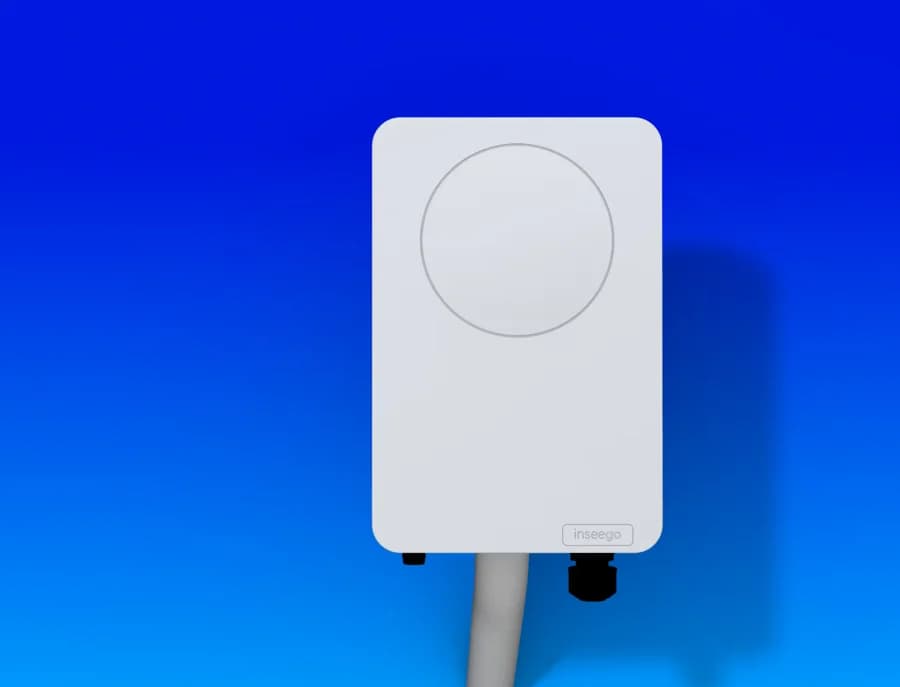
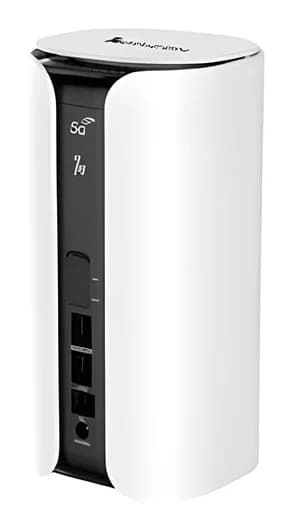
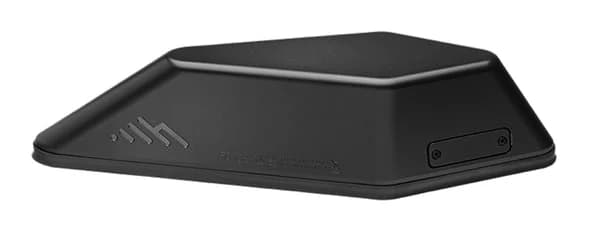
| 5G outdoor CPE | Mounted on an exterior wall or roof where indoor signal is weak, with one Ethernet cable run inside | Inseego says its FW3000 outdoor CPE supports CBRS and combines high-gain antennas with routing and gateway functions[10] |
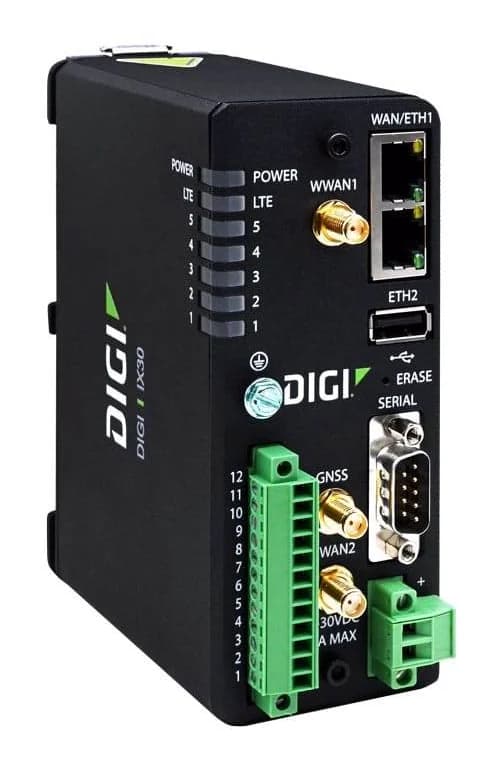
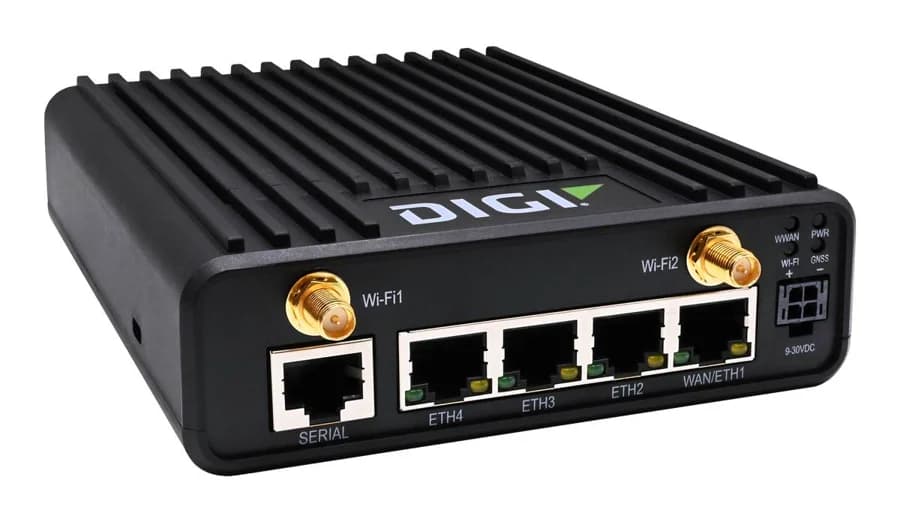
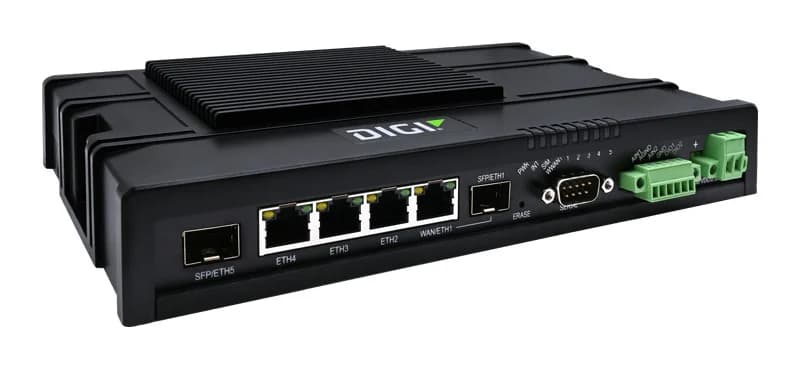
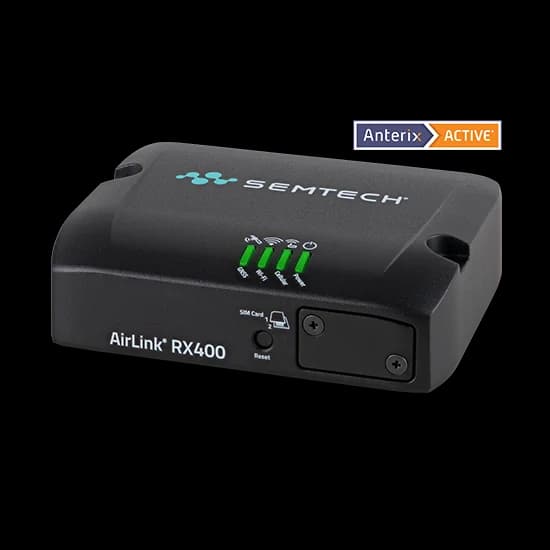
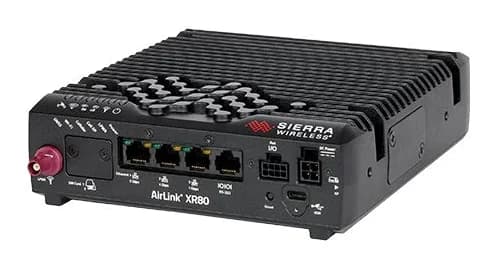
| Industrial LTE or 5G router | PLCs, meters and sensors in plants, substations and pump stations | Digi IX30 (LTE): DIN-rail mount, Ethernet, serial I/O and Modbus bridging, with Band 48 on the IX30-00P7 variant[3]. Semtech RX400 (5G RedCap): RS-232 serial, GPIO and an IP64 housing[7] |
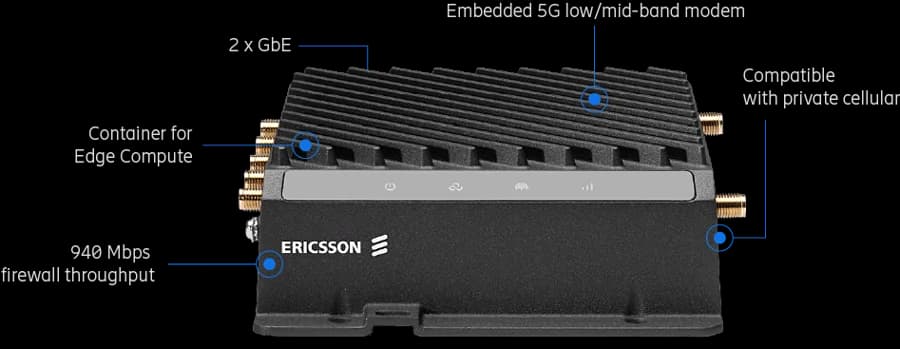
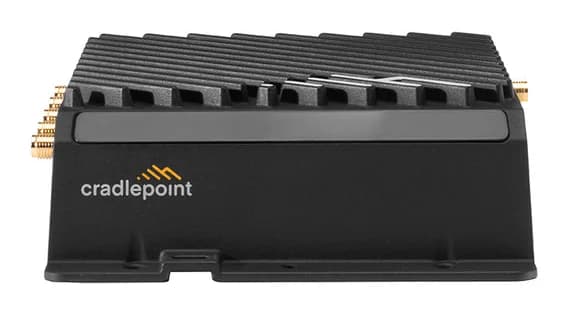
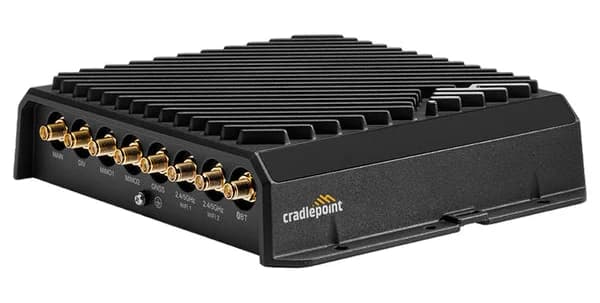
| Vehicle router | Trucks, buses, yard and port vehicles | Ericsson's Cradlepoint R1900 is a ruggedized vehicle router whose specifications list private cellular support for CBRS, LTE and 5G[11] |
| 5G USB modem | Laptops, tablets and small edge computers | Horizon DG505G: powered from the host's USB-C port, takes a nano SIM, and supports LTE Band 48 and 5G NR (New Radio) band n48, according to Waveform's listing[14] |
| 5G or LTE module (M.2 and similar) | Built into your own equipment by an integrator or equipment maker | Semtech's EM9291 M.2 module lists n48 and LTE Band 48, FCC certification for CBRS private networks, and an onboard eSIM[8] |
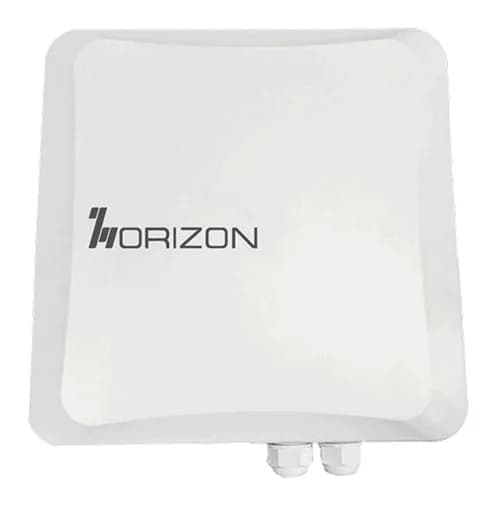
Waveform sells the Horizon DG505G and several other routers listed on this page. Private5G.com is operated by the team behind Waveform and RSRF; products appear in this directory whether or not Waveform sells them.
SIMs, eSIMs and carrier versus private profiles
A router approved for a public carrier is not automatically ready for your network. It needs your band, and it must accept a SIM or eSIM profile issued for your network's IMSI range[13]. Look for an explicit private-network statement: Ericsson's specifications for the R1900, for example, list private cellular network support (CBRS, LTE and 5G) separately from the public safety networks it supports[11].
Two SIM slots, or a SIM plus an eSIM, let one router hold both a private and a carrier profile. Digi's IX30 has two SIM slots, and Inseego describes outdoor CPE set up with a private network as primary and a public network as automatic backup[3][10]. For eSIM, ask which GSMA specification the device follows, consumer SGP.22 or IoT SGP.32, and whether your SIM supplier can deliver profiles to it[9].
Our guide to Band 48 and n48 devices covers band support in more depth, and private LTE vs private 5G explains which network type your CPE must match.
Common questions
What is the difference between a 5G router, a gateway and CPE?
The terms overlap and vendors use them loosely. On this page, CPE means any cellular device that connects a site's equipment to the network; routers and gateways are CPE that route traffic between the cellular link and a local network. Outdoor CPE, as Inseego describes it, integrates antennas, routing and gateway functions in one unit mounted outside the building[10].
Can I use a carrier 5G router on a private CBRS network?
Only if the exact model supports Band 48 or n48 and accepts your SIM. Variants matter: Digi's IX30-00P7 lists Band 48, while the IX30-0EG4 does not[3]. Test one unit on your own network before you buy in volume.
Do I need a 5G router if my private network is LTE?
No. An LTE network needs devices with LTE Band 48. Many 5G routers and modules also support LTE; Semtech's EM9291 module, for example, lists both NR n48 and LTE Band 48[8]. Buying 5G-capable CPE can ease a later move to 5G, but confirm Band 48 is on the specification sheet.
What is 5G RedCap, and does it suit private networks?
RedCap is a 3GPP Release 17 device class with fewer antennas, narrower bandwidth, lower power use and lower data rates than full 5G, aimed at industrial sensors, video surveillance and wearables[6]. Semtech markets its RX400 RedCap router for private networks including CBRS[7]. Confirm that your radios and core support RedCap devices before you standardize on them.
How much power can a CBRS router transmit?
Up to 23 dBm EIRP per 10 MHz, the FCC limit for end user devices; a device that transmits more is classified as a CBSD and must meet base-station rules[2][12]. End user devices must also be able to reduce power when their CBRS radio tells them to[2].
What is an LTE or 5G module?
A module is the cellular radio itself, sold to equipment makers to build into their own products. Semtech's EM9291, for example, is an M.2 card with 5G and LTE, FCC certification for CBRS private networks and an onboard eSIM[8]. If you build devices, check each module's certifications as well as its band list.
Sources
- 47 CFR Part 96: Citizens Broadband Radio Service (definition of End User Device in §96.3) — Electronic Code of Federal Regulations (eCFR), Sep 30, 2026. Accessed Oct 1, 2026.
- 47 CFR 96.41: General radio requirements — Electronic Code of Federal Regulations (eCFR), Sep 30, 2026. Accessed Oct 1, 2026.
- Digi IX30 Industrial Cellular Router (specifications) — Digi International. Accessed Oct 1, 2026.
- 3GPP TS 36.101 version 19.6.0 (ETSI TS 136 101 V19.6.0, 2026-08): E-UTRA user equipment radio transmission and reception — ETSI / 3GPP. Accessed Oct 1, 2026.
- 3GPP TS 38.101-1 version 19.6.0 (ETSI TS 138 101-1 V19.6.0, 2026-08): NR user equipment radio transmission and reception, Part 1 — ETSI / 3GPP. Accessed Oct 1, 2026.
- A Glimpse into RedCap NR devices — 3GPP, Jul 25, 2023. Accessed Oct 1, 2026.
- AirLink RX400 5G RedCap Router — Semtech (Sierra Wireless). Accessed Oct 1, 2026.
- EM9291 5G NR Sub-6 module — Semtech (Sierra Wireless). Accessed Oct 1, 2026.
- eSIM Consumer and IoT Specifications — GSMA. Accessed Oct 1, 2026.
- Building private 5G networks indoors with outdoor solutions — Inseego, Oct 1, 2026. Accessed Oct 1, 2026.
- Ericsson Cradlepoint R1900 (specifications) — Ericsson. Accessed Oct 1, 2026.
- 47 CFR 96.47: End user device additional requirements — Electronic Code of Federal Regulations (eCFR), Sep 30, 2026. Accessed Oct 1, 2026.
- IMSI Assignment and Management Guidelines for Shared HNI for CBRS Range (Version 2, July 2020) — ATIS IMSI Oversight Council. Accessed Oct 1, 2026.
- Horizon DG505G: USB-C Modem Dongle | CBRS & 5G — Waveform. Accessed Oct 1, 2026.
Product facts on this page come from each product’s record and its cited sources.