
Devices
- Which camera models will connect, and do they include a cellular module or need a gateway?
- Which LTE or 5G bands do those modules or gateways support?
Multi-industry
Connect fixed and relocatable cameras beyond practical cable runs, and plan around sustained uplink video.
Camera projects usually reach private cellular when cameras sit beyond practical cable runs—perimeters, parking areas, yards, and temporary positions. Unlike most enterprise traffic, video flows continuously from the camera toward the recorder, so uplink capacity usually drives the design.
Sustained traffic from devices toward the network sets the size of the design.
Every radio needs power and a path back to the core at its location.
Where devices actually operate—including changing obstructions—drives radio placement.
Answer these with your team first. They decide which equipment fits and what a vendor or integrator needs to quote accurately.
Products whose own documentation names this setting or use, or that the guide links for comparison. Listing is not a recommendation; check each record's sources and unknowns.
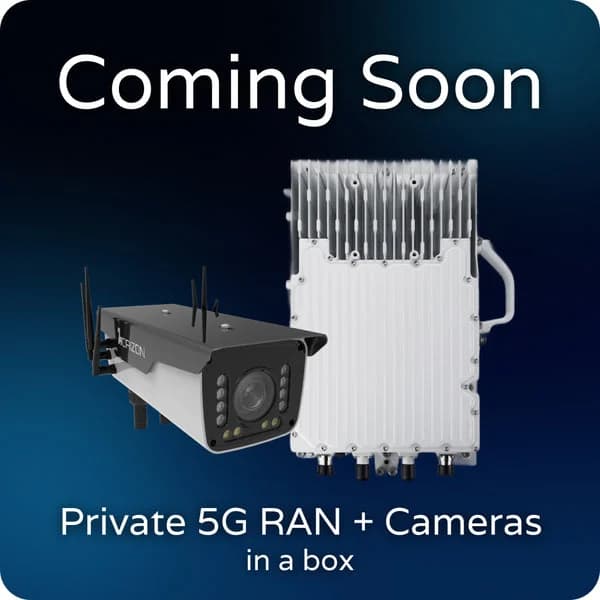 Complete network · 5GWaveformPrivate 5G + Camera Network-in-a-BoxWaveform product
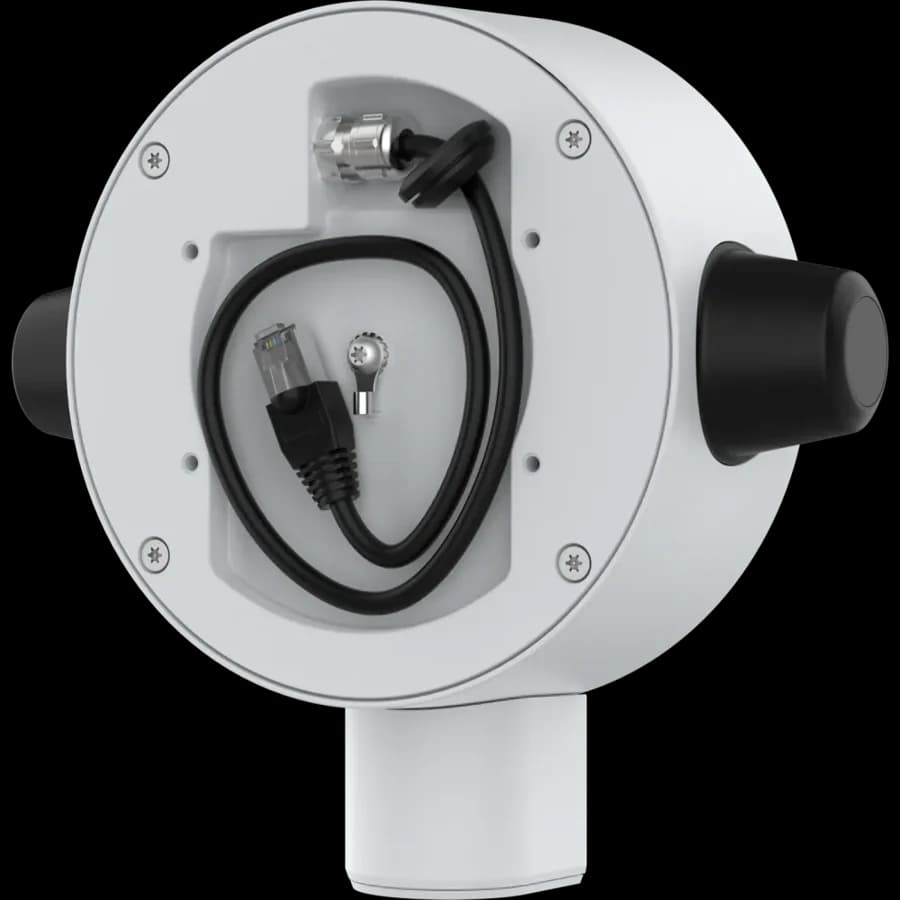 Accessory · LTE + 5GAxis CommunicationsAXIS TP3604-E Cellular Back BoxComplete network · 5GSamsung NetworksSamsung private network solution
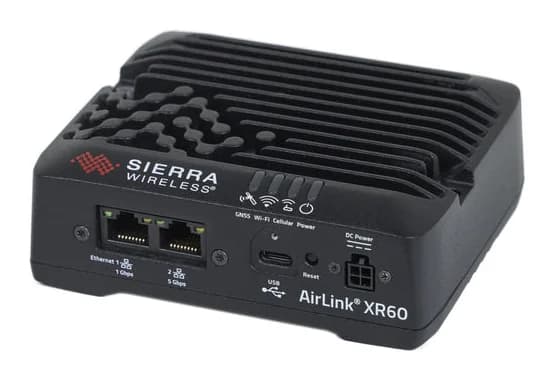 Router · LTE + 5GSemtech (formerly Sierra Wireless)AirLink® XR60Sold by WaveformComplete network · 5GBetacomBetacom Perimeter Surveillance Solution
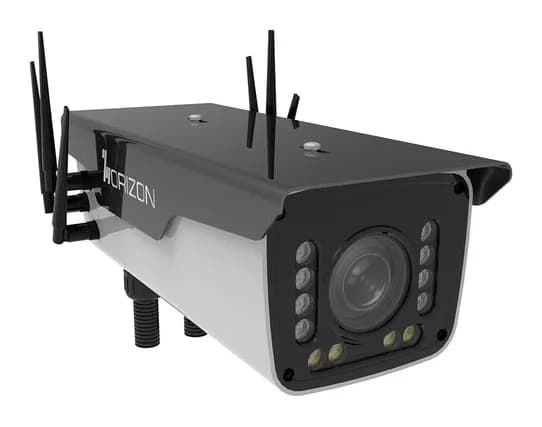 Device · LTE + 5GHorizonHorizon CC1005GSold by Waveform
Waveform, which sells some of these products, is operated by the team behind Private5G.com.
Linked records are examples to evaluate against your requirements, not recommendations.
Enter your device counts and per-device traffic. The brief separates arithmetic from engineering decisions and never estimates radio counts.
About this guide: Private5G.com editorial planning guidance, reviewed Sep 30, 2026. It makes no product, price, or performance claims; linked records carry their own sources.

Keep yard trucks, tractors, and autonomous vehicles connected as they move across large outdoor sites.

Connect scanners, mobile robots, and vehicle terminals across tall racking, docks, and yards.

Connect machines, sensors, and mobile equipment on the plant floor, and decide how that traffic reaches control systems.
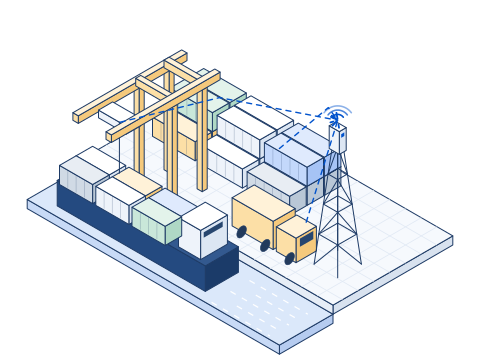
Cover wide quays and changing container stacks for cranes, carriers, gates, and crews.