
Which kinds of devices work on private LTE and 5G?
| Device type | What to check | Example |
|---|---|---|
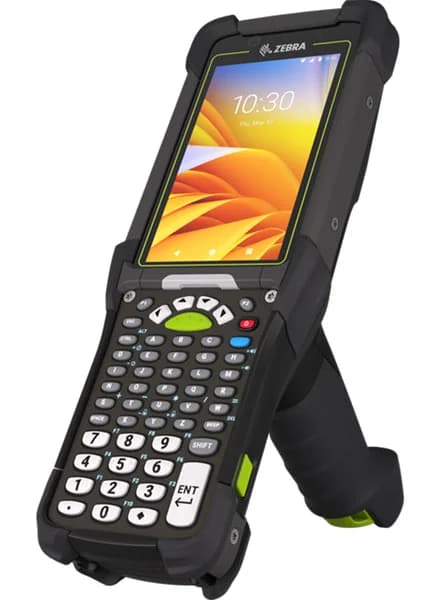
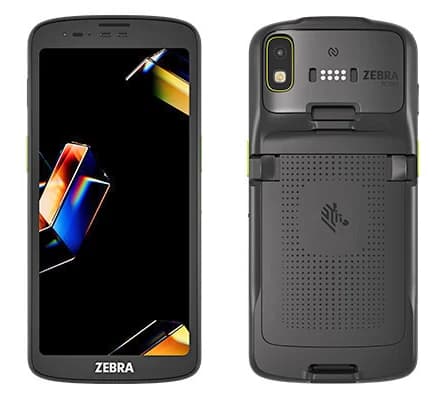
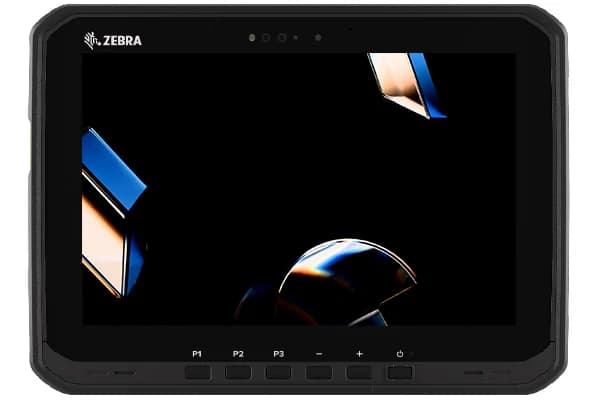
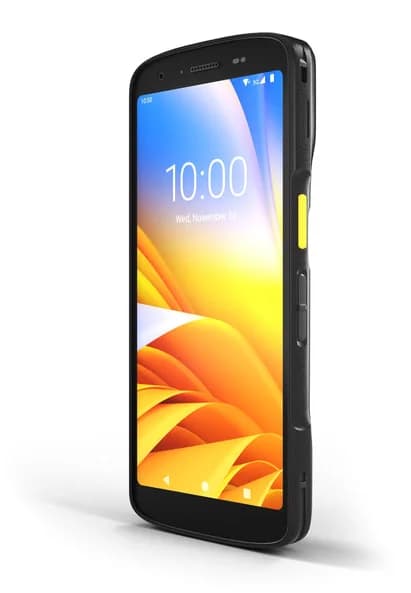
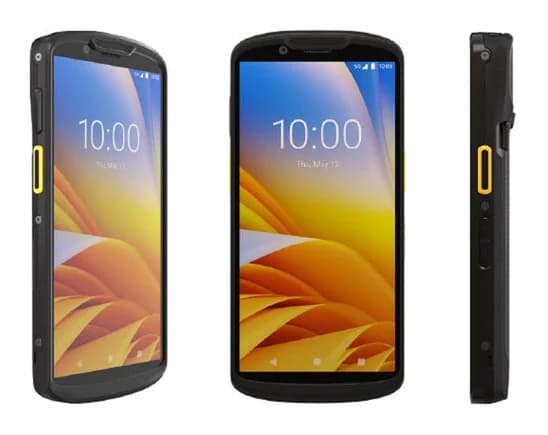
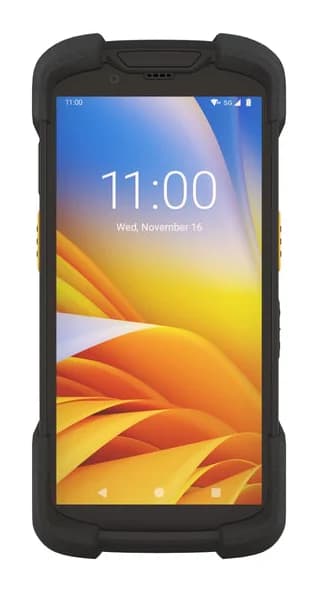
| Rugged handhelds and tablets | Cellular (WWAN) model, Band 48 or n48, SIM and eSIM | Zebra TC78: n48 and LTE Band 48 in North America, one nano SIM and one eSIM[4] |
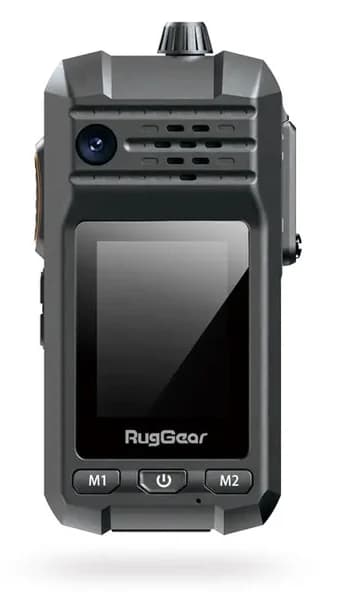
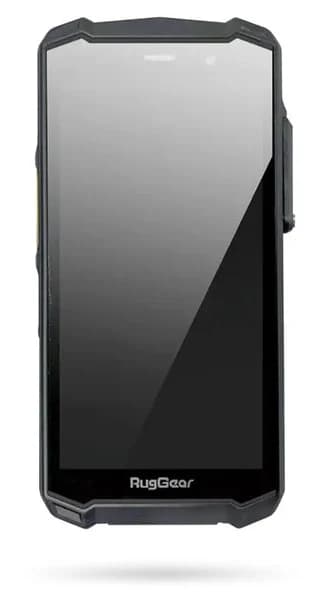
| Push-to-talk phones and radios | Mission-critical PTT support, PTT button and accessories | RugGear RG540: MCX and MC Video support, CBRS support, PTT headset and remote speaker-microphone accessories[9] |
| Smartphones | Band list for your exact model number; SIM or eSIM | Apple lists n48 and LTE Band 48 for the U.S. iPhone 17 (model A3258), which uses eSIM only[6] |
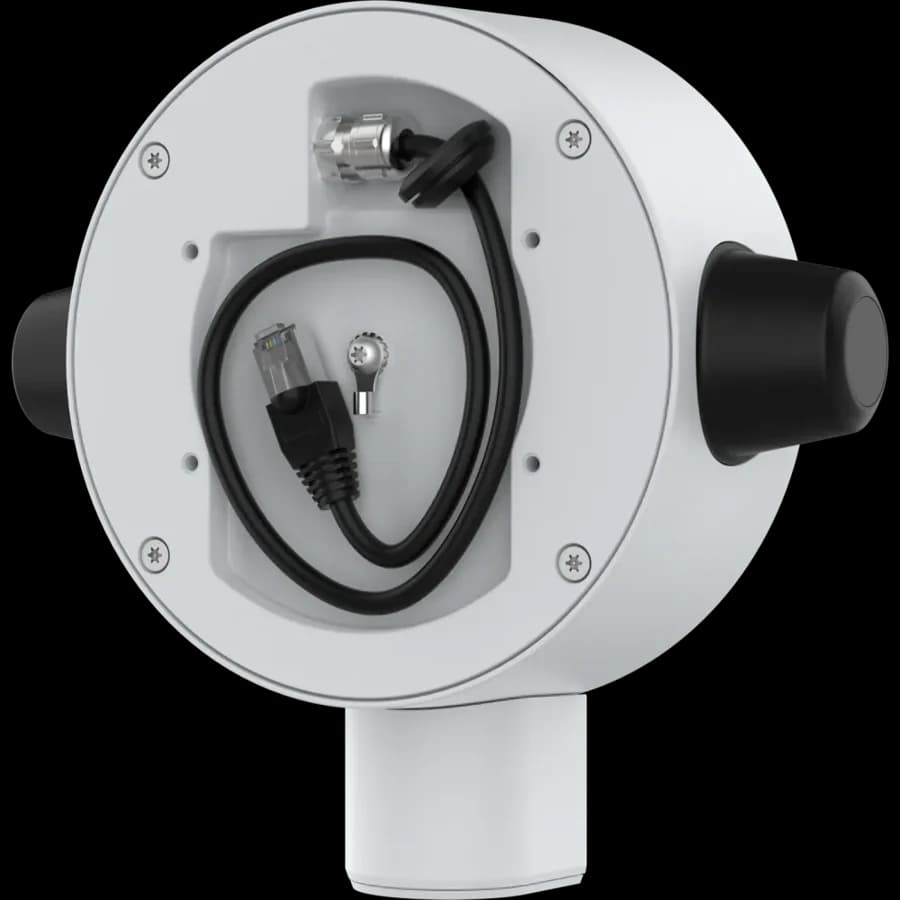
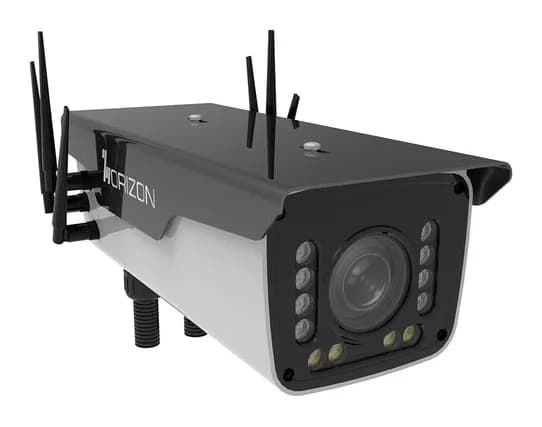
| Cameras | Uplink performance, power and SIM | Axis TP3604-E: back box for AXIS P32 and P14 cameras, PoE (Power over Ethernet) support, encrypted private-network SIM[10] |
| Equipment without a cellular radio | Add a router, USB modem or module | See routers, gateways and CPE |
Band 48, n48 and the FCC's device rules
3GPP defines LTE Band 48 and 5G NR (New Radio) band n48 over the same 3550–3700 MHz[1][2]. A private LTE network needs Band 48 devices and a private 5G network needs n48 devices; a device with both works on either. Our guide to Band 48 and n48 devices goes deeper, including how to check which band a phone is using.
FCC rules treat phones, handhelds and cameras as end user devices. They may transmit at up to 23 dBm EIRP (effective isotropic radiated power) per 10 MHz, only after a CBRS base station authorizes them, and must stop or change frequency or power within 10 seconds of its instruction[11][12]. Every transmitter used under the CBRS rules must also be certified by the FCC for that service[13].
SIMs, eSIMs and onboarding devices
A device joins only if its SIM or eSIM profile matches a subscriber record in your core; Zebra describes SIM and eSIM support as what gives private network operators control over which devices connect[5]. U.S. CBRS networks can draw subscriber identities from the shared network code 315-010, issued in blocks of 100,000[14].
Physical SIMs are simple for small fleets. With eSIM, the profile is delivered to the device instead of inserted, and the delivery method depends on the device type: the GSMA maintains separate eSIM specifications for consumer devices (SGP.22) and IoT devices (SGP.32)[15]. Ask your core or SIM vendor which devices it can provision, and test enrollment before a wide rollout.
Devices that leave your coverage need somewhere else to go. Zebra says its private 5G devices can be used alongside Wi-Fi and public cellular networks, which act as a fallback when a device is out of range[5].
Rugged ratings and push-to-talk
The International Electrotechnical Commission's (IEC) IP code has two digits: the first rates protection against solid objects from 0 to 6 (no ingress of dust), and the second rates protection against liquids from 0 to 9[8]. The test conditions are defined in IEC 60529, so ask which tests a vendor ran. Zebra, for example, rates the TC78 IP65 and IP68 and says it is built to handle 2,000 consecutive tumbles[4].
Push-to-talk over cellular is standardized. 3GPP completed its first mission-critical push-to-talk specifications in Release 13, so that LTE could carry the private mobile radio voice used by emergency services[16]. Devices still need a compatible PTT application and server on your network, so check that each device supports the client you plan to use and has a physical PTT button or accessory[4][9].
Common questions
Which phones work on a private CBRS network?
Start with the band list for your exact model number. Apple, for example, lists n48 and LTE Band 48 for the U.S. iPhone 17 (model A3258), which accepts only eSIMs[6]. Band support alone is not enough: the phone must also accept your SIM or eSIM profile and work with your radios and core, so test before you buy. Our Band 48 and n48 device guide covers phones in more detail.
Can a device use both a private network and a public carrier?
Yes, if it supports both. Zebra says its private 5G devices can fall back to Wi-Fi or public cellular networks when they leave private coverage, and its TC78 holds both a nano SIM and an eSIM[5][4].
Why are private 5G devices harder to find than LTE devices?
GSA counts more than 31,000 LTE and 5G devices built to 3GPP standards but says most target consumers, and that industrial-grade devices, especially 5G ones, remain limited[3]. If your device list is short on n48 models, consider LTE or a dual-mode network; see private LTE vs private 5G.
Do private network devices need FCC approval?
Yes. Each transmitter used in CBRS must be certified for use under the FCC's Part 96 rules[13]. Device makers obtain the certification; check that the model you buy has it before you deploy it.
What does IP68 mean?
The first digit, 6, is the top of the solids scale and means no ingress of dust; the second digit rates protection against liquids on a scale that runs to 9[8]. The exact test conditions for each level are defined in IEC 60529, so read which tests the manufacturer ran.
How do I connect equipment that has no cellular radio?
Add a router, USB modem or module; see routers, gateways and CPE. Some equipment makers sell purpose-built adapters: Axis's TP3604-E back box connects one AXIS P32 or P14 camera to a 4G or 5G private cellular network[10].
Sources
- 3GPP TS 36.101 version 19.6.0 (ETSI TS 136 101 V19.6.0, 2026-08): E-UTRA user equipment radio transmission and reception — ETSI / 3GPP. Accessed Oct 1, 2026.
- 3GPP TS 38.101-1 version 19.6.0 (ETSI TS 138 101-1 V19.6.0, 2026-08): NR user equipment radio transmission and reception, Part 1 — ETSI / 3GPP. Accessed Oct 1, 2026.
- GSA: Private Mobile Networks Continue to Scale — 3GPP (article by the Global mobile Suppliers Association), Mar 24, 2026. Accessed Oct 1, 2026.
- TC73/TC78 Mobile Computers Specification Sheet — Zebra Technologies. Accessed Oct 1, 2026.
- About Zebra Private 5G — Zebra Technologies TechDocs. Accessed Oct 1, 2026.
- iPhone 17: Technical Specifications — Apple. Accessed Oct 1, 2026.
- Private 5G Validated Devices — Zebra Technologies TechDocs. Accessed Oct 1, 2026.
- Ingress Protection (IP) ratings — International Electrotechnical Commission (IEC). Accessed Oct 1, 2026.
- The RG540: 5G smartphone for MCPTX — RugGear. Accessed Oct 1, 2026.
- AXIS TP3604-E Cellular Back Box — Axis Communications. Accessed Oct 1, 2026.
- 47 CFR 96.41: General radio requirements — Electronic Code of Federal Regulations (eCFR), Sep 30, 2026. Accessed Oct 1, 2026.
- 47 CFR 96.47: End user device additional requirements — Electronic Code of Federal Regulations (eCFR), Sep 30, 2026. Accessed Oct 1, 2026.
- 47 CFR Part 96: Citizens Broadband Radio Service (equipment authorization in §96.49) — Electronic Code of Federal Regulations (eCFR), Sep 30, 2026. Accessed Oct 1, 2026.
- IMSI Assignment and Management Guidelines for Shared HNI for CBRS Range (Version 2, July 2020) — ATIS IMSI Oversight Council. Accessed Oct 1, 2026.
- eSIM Consumer and IoT Specifications — GSMA. Accessed Oct 1, 2026.
- Release 13 — 3GPP. Accessed Oct 1, 2026.
Product facts on this page come from each product’s record and its cited sources.